By Patio Paving – your trusted supplier of porcelain paving, sandstone, driveway setts, wall cladding, stepping stones and more.
Introduction
Algae growth on outdoor tiles is one of the most common challenges landscapers and homeowners face in the UK. With our famously damp climate, shaded patios, and regular rainfall, outdoor surfaces can quickly become slippery, green, and unsightly.
Whether you’ve just laid a new porcelain patio or you’re maintaining a long-standing sandstone pathway, controlling algae isn’t just about looks — it’s about safety, longevity, and preserving your paving’s natural beauty.
In this article, we’ll share practical, landscaper-approved tips on how to prevent and remove algae from outdoor tiles — ensuring your patios and pathways stay clean, safe, and easy to maintain year-round.
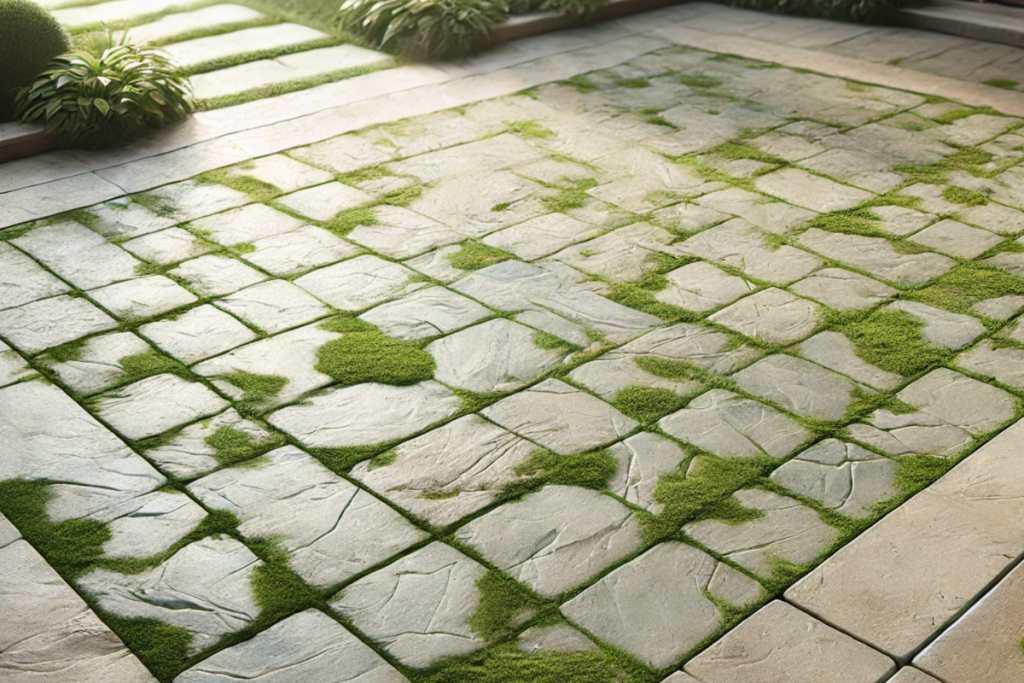
Understanding Algae Growth on Outdoor Tiles
Algae thrive in moist, shaded environments where water doesn’t drain effectively. Surfaces like sandstone, limestone, or even textured porcelain can harbour organic growth if they’re not properly maintained.
Common causes of algae on outdoor paving include:
- Poor drainage or standing water after rainfall
- Shady areas with limited sunlight
- Organic debris such as leaves or soil buildup
- Insufficient air circulation around the paved area
- Lack of regular cleaning or sealing
1. Choose the Right Type of Paving Material
The best long-term way to prevent algae is to start with the right surface.
At Patio Paving, we recommend porcelain paving for areas prone to moisture. Porcelain is non-porous, meaning it doesn’t absorb water or organic material that algae feed on. It’s also resistant to frost and staining, making it ideal for the UK climate.
Sandstone and other natural stones are more porous — but with proper sealing and drainage, they can be equally durable and visually appealing.
Pro tip:
If you’re a landscaper installing sandstone or limestone, always apply a breathable sealer once the paving is dry. This helps reduce moisture absorption and keeps algae from taking hold.
2. Improve Drainage and Reduce Standing Water
Algae love damp environments — so if your patio puddles after rain, it’s an open invitation.
Drainage tips for landscapers:
- Install your paving with a slight gradient (1:60 slope) to allow water runoff.
- Use permeable sub-bases and jointing compounds to aid water flow.
- Ensure your gullies, drains and soakaways are clear from debris.
- Avoid over-watering nearby plants that splash onto the paving surface.
By eliminating standing water, you drastically reduce algae growth before it even begins.
3. Regular Cleaning: The Most Effective Prevention
Routine cleaning is the simplest yet most effective way to stop algae buildup.
Maintenance routine for landscapers & homeowners:
- Sweep weekly: Remove fallen leaves and soil — these trap moisture.
- Rinse monthly: Use a garden hose or a low-pressure wash to keep tiles fresh.
- Deep clean seasonally: Every few months, use a mild detergent or specialised outdoor tile cleaner.
Important: Avoid overly aggressive jet-washing on natural stone, as it can erode the surface or joints.
At Patio Paving, we recommend using a pH-neutral outdoor cleaner that’s compatible with both porcelain and natural stone tiles.
4. Use Eco-Friendly Algae Removers
Sometimes, cleaning alone isn’t enough — especially in shaded gardens. In such cases, an eco-friendly biocide or algae remover can help.
Look for products that are:
- Biodegradable and safe for plants/pets
- Non-acidic and non-bleaching
- Suitable for the material you’re cleaning (check porcelain vs sandstone)
Apply during a dry spell, following the manufacturer’s instructions, and allow the product to work for several hours before rinsing off.
Pro tip for landscapers: Offer a biannual algae treatment service to your clients as part of their garden maintenance plan — it’s a simple way to protect their investment and build long-term relationships.
5. Keep Surfaces Dry and Sunlit
Sunlight is algae’s natural enemy. Whenever possible, design gardens and patios to maximise airflow and light exposure.
- Trim overhanging trees or shrubs that block sunlight.
- Encourage ventilation between fences or boundary walls.
- Position garden furniture to allow airflow around the tiles.
Even an hour or two of direct sun daily can make a significant difference in preventing algae growth.
6. Seal and Protect Your Paving
Sealing your paving creates a protective barrier that limits moisture absorption and staining — two of algae’s main allies.
For sandstone and limestone: Use a breathable impregnating sealer to protect the stone without altering its natural look.
For porcelain paving: While it’s less porous, sealing the joints and edges helps prevent moss or algae from settling in between slabs.
At Patio Paving, we can recommend sealants that complement your chosen paving type and finish, ensuring long-term resistance to weathering and growth.
7. Annual Deep-Clean & Rejuvenation
Even the best-maintained patios benefit from a professional-grade clean once a year. Landscapers can offer this as an additional service, using specialised stone cleaners or steam systems that remove algae without harsh chemicals.
If you’re a homeowner, consider scheduling your deep clean each spring, before the damp months return. It refreshes your outdoor area and keeps tiles looking new for summer entertaining.
Final Thoughts
Algae growth is natural — but with smart design, regular cleaning, and the right paving materials, it’s completely manageable. By following these maintenance tips, landscapers and homeowners alike can enjoy bright, safe, and beautiful patios all year long.
At Patio Paving, we’re passionate about helping you build outdoor spaces that last. Whether you’re laying porcelain paving, restoring a sandstone patio, or upgrading with driveway setts or stepping stones, we’ve got the materials, advice, and expertise to help you get the job done right.
Ready to Keep Your Patio Algae-Free?
Visit Patio Paving to explore our porcelain and sandstone paving collections, perfect for low-maintenance, algae-resistant outdoor designs.
If you’re a landscaper or homeowner seeking expert advice on long-term patio maintenance, contact our team — we’ll help you choose the right materials and care products for your outdoor space.